
Paper-based electrochemical (bio)sensors
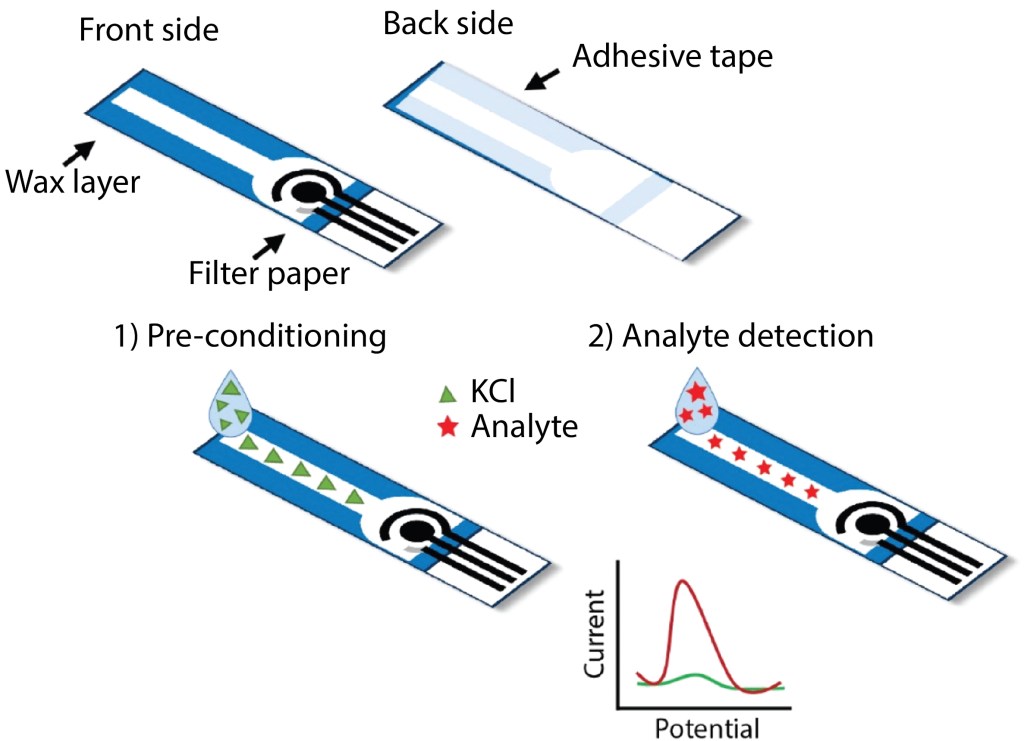
The use of paper has opened to a new development towards the design of brand-new portable analytical devices. In particular, it has allowed to overcome some limitations of previous systems: the porosity of paper allows to actively operate within the analytical procedure by pre-treating the sample, loading reagents, making reactions happen and printing electrodes. The creation of all-in-one and sustainable devices acquires a stronger value being tools for society.
Featured publications
- Kalligosfyri, PM.*, Miglione, A., Glovi, A., Aker. O., Arciuolo, V., Amato, J., Pagano, B., Di Natale, C., Kurbanoglu, S., Darwish, IA., & Cinti, S.* (2025). Paper Matters: Technical Evaluation of Paper-Based Substrates for Enhanced Preconcentration of Biomolecules in Liquid Biopsy Diagnostics. Analytical Chemistry, 97, 45, 24936–24945. (Read it).
- Miglione, A.*, Kalligosfyri, PM., Corbo, C., Calabria, D., Mirasoli, M., Frasconi, M., & Cinti, S.* (2025). Paper-based origami assisted and enhanced electroanalytical detection of β-Amyloid peptide in plasma samples. Biosensors and Bioelectronics: X, 27, 100687. (Read it)
- Miglione, A., Raucci, A., Cristiano, F., Mancini, M., Gioia, V., Frugis, A., & Cinti, S.* (2024). Paper-based 2D configuration for the electrochemical and facile detection of paracetamol in wastewaters. Electrochimica Acta, 144255. (Read it)

Nanoparticles and nanocomposites
The use of nanomaterials has highlighted obvious enhancement in the field of analytical science. Respect to their bulk counterparts, nanoparticles and nano composites have been showing great performances. Novel synthetic strategies, e.g. paper-based synthesis, and improved combinations between different sources of nanosized matters are capable to enhance sensitivity and reliability of detection architectures.

Featured publications
- Singh,S., Melini, S, Raucci, A., Numan, A., Mohammad Khalid, M., Goh, BH., Meli, R., Pirozzia, C. & Cinti, S.* (2025). A portable and versatile rGO-Co3O4-Pt nanocomposite-based electrochemical sensor for ex vivo and in vivo cardiac oxidative stress monitoring. Nanoscale, 17, 26417. (Read it)
- Singh, S., Raucci, A., Cimmino, W., Numan, A., Khalid, M., & Cinti, S.* (2024). Bismuth-MXene nanocomposite: A low-cost portable solution for zinc (II) detection in water for safer environmental monitoring. Sensors and Actuators B: Chemical, 418, 136219. (Read it)
- Singh, S., Numan, A., Khalid, M., Bello, I., Panza, E., & Cinti, S.* (2023). Facile and Affordable Design of MXene‐Co3O4‐Based Nanocomposites for Detection of Hydrogen Peroxide in Cancer Cells: Toward Portable Tool for Cancer Management. Small, 2208209. (Read it)

Liquid biopsy and healthcare
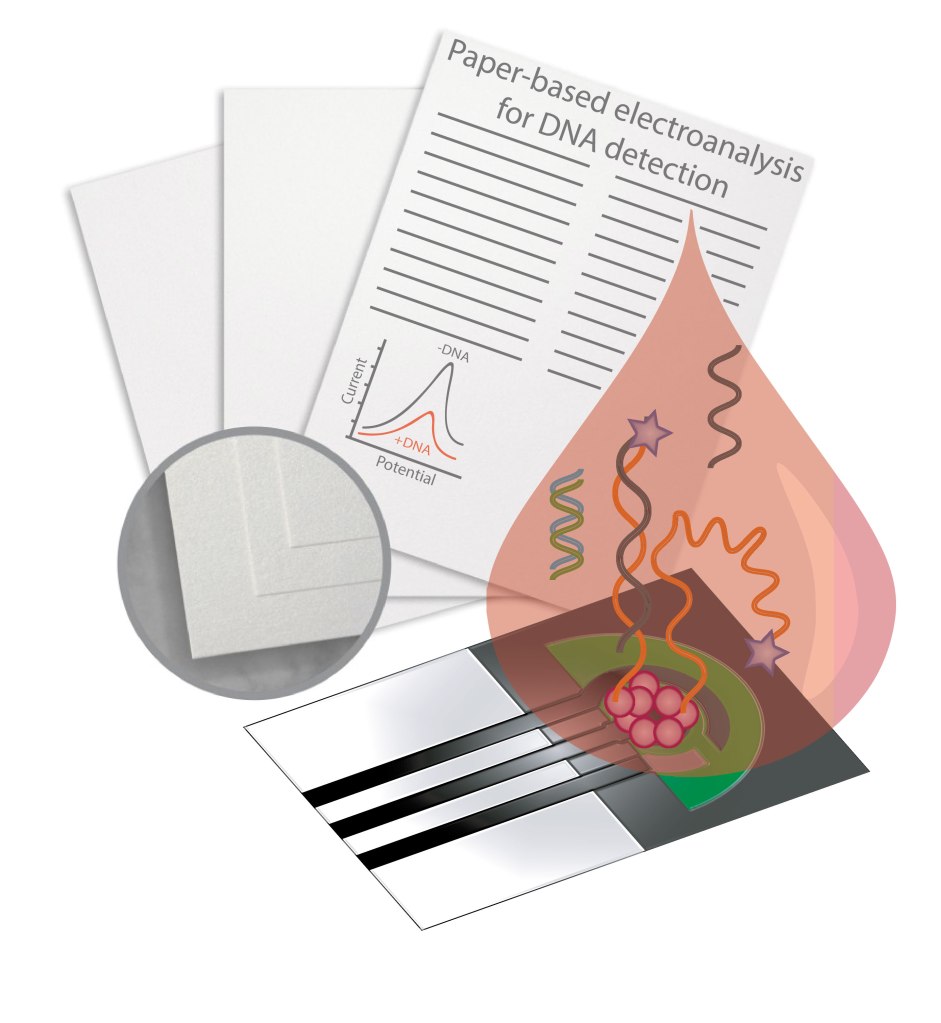
The detection of circulating cancer biomarkers, e.g ctDNA, miRNA, tumor cells, exosomes, also known as liquid biopsy, opens up a revolutionary opportunity in cancer detection and therapy monitoring and has been listed within the top 10 of global emerging technologies. The development of point of care devices for cancer research is gaining a lot of attention within the sensor community. The possibility to get rapid information in tiny amount of bodily fluids is the challenge.
Featured publications
- Iula, G., Kalligosfyri, PM.,. Raucci, A., Miglione, A., Bello, I., D’Ariano, M., Smimmo, M., Vellecco, V., Bucci, M., Panza, E., & Cinti, S.*(2026). Evaluating in-vitro cellular toxicity through the analysis of nitrite ions variation at printed electrochemical strips. Talanta, 299, 129073. (Read it)
- Cimmino, W., Angelillo, A., Rea, G., Kalligosfyri, PM., Nele, V.,
Campani, V., De Rosa, G., & Cinti, S.*(2025).Development of an Electrochemical Biosensor to Detect miRNA Encapsulated in Lipid Nanoparticles. Analytical Chemistry, 97, 23, 11968–11973. (Read it)
- Raucci, A., Sorrentino, G., Singh, S., Borbone, N., Oliviero, G., Piccialli, G., Terracciano, M., & Cinti, S.* (2025). Cost-effective, user-friendly detection and preconcentration of thrombin on a sustainable paper-based electrochemical platform. Analytical and Bioanalytical Chemistry, 417, 1863–1872. (Read it)

Re-inventing analysis
The search of novel materials/scaffolds to be integrated in smart architectures for sensing devices represents a hot topic in analytical chemistry. To date, both optical and electrochemical methods have been combined with the most diverse (and un-common) materials: pins, origami, removable tattoos, film for packaging, office paper. All these examples highlight the suitability of certain materials, generally employed in different context, to be used for reaching “different” analytical answers.

Featured publications
- Kalligosfyri, PM., Madani, S., Miglione, A., Cimmino, W., Cinti,S.* & Hatamie, A. (2025). Micro-Analytical Lab-on-a-Tip: Advances and Perspectives. Analytical Chemistry, 97, 40, 21779–21792. (Read it)
- Kalligosfyri, P. M., & Cinti, S.* (2024). 3D Paper-Based Origami Device for Programmable Multifold Analyte Preconcentration. Analytical Chemistry, 96, 24, 9773–9779. (Read it)

Chemometrics
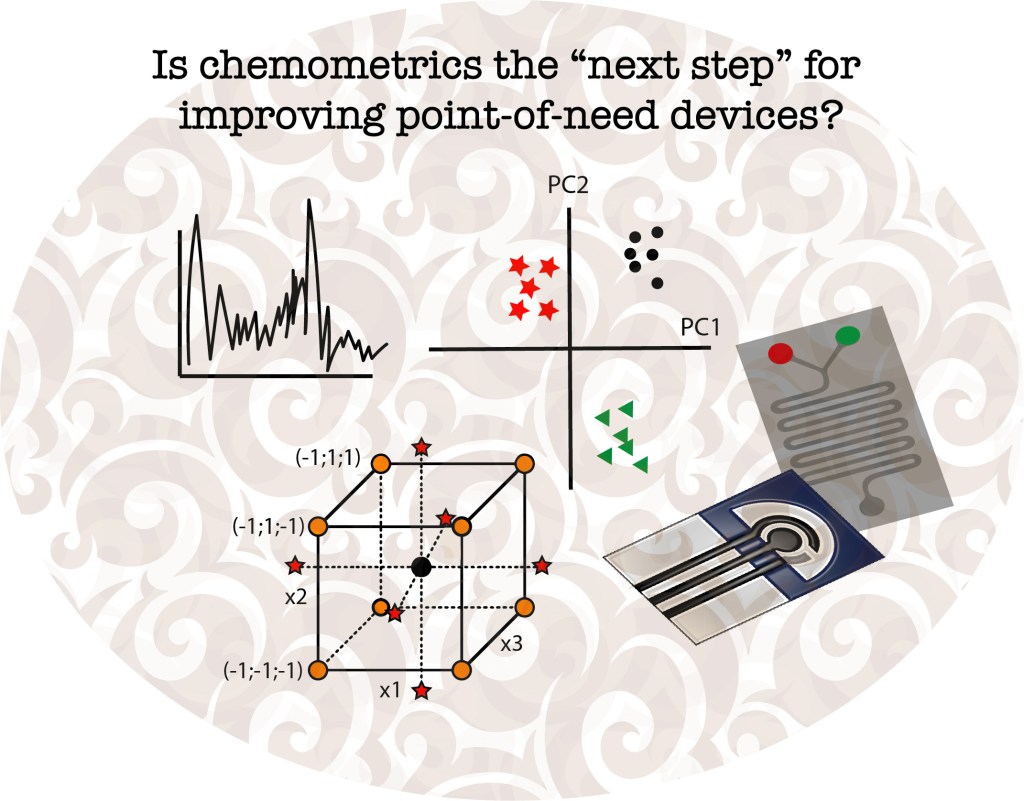
Sometimes, the routes to produce the optimal device might be time-consuming and costly. The role of chemometric-based tools is strategic in the conceptualization, production, and data analysis in developing reliable portable devices and also decrease the amount of experiments (thus, costs) at the same time.
Featured publications
- Cimmino, W., Esposito, S., Kalligosfyri, PM., Iaccarino, N., & Cinti, S.*(2025). Chemometrics-Assisted Enhancement of Electrochemical Biosensor Performance toward miRNA Detection. Analytical Chemistry , 97, 15, 8182–8188. (Read it)
- Cimmino, W., Raucci, A., Miglione, A., Ascione, C., Gargiulo, E., Fiorentino, N., Detti, S., D’Alfonso, C., Nieri, C., Napoletano, S., Lombardozzi, A., Darwish, IA., Chianese, G., & Cinti, S.*(2025). Chemometrics-Assisted Electrochemical Device for Cannabidiol Detection in Real Cannabis sativa Samples. Chemistry-Methods , 00, e202500029. (Read it)
- Romanò, S., Angelillo, A., Cimmino, W., Iaccarino, N., Nele, V., Campani, V., De Rosa, G., & Cinti, S.* (2024). An Electrochemical Strip to Evaluate and to Discriminate Drug Encapsulation in Lipid Nanovectors. Analytical Chemistry, 96, 29, 11651–11656. (Read it)
3D printed electrochemical sensors and devices
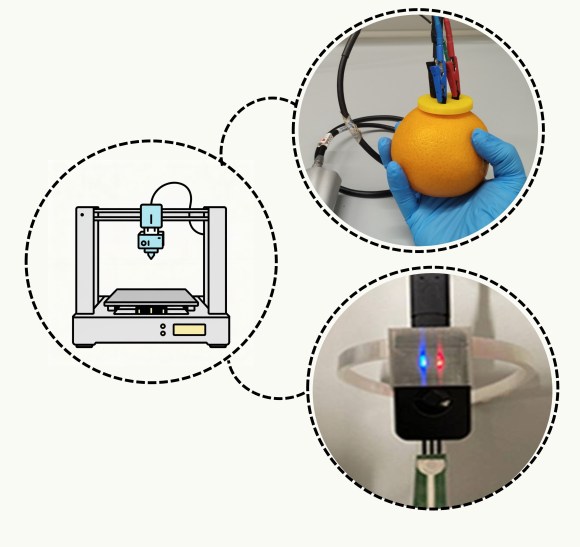
3D printing is transforming electrochemical sensor development through rapid, low-cost, and customizable fabrication. Additive manufacturing enables precise control of device geometry and the integration of conductive materials and microfluidic elements. This versatility supports innovative platforms for clinical, environmental, and food analysis. Repurposed from prototyping, 3D-printed devices now offer new analytical capabilities and are shaping modern electrochemical sensing.
Featured publications
- Iula, G., Miglione, A.*, Kalligosfyri, PM., Spinelli, M., Amoresano, A., Di Natale, C., Darwish, IA., & Cinti, S.*(2025). On-body electrochemical measurement of sweat lactate with the use of paper-based fluidics and 3D-printed flexible wearable biosensor. Analytical Bioanalytical Chemistry, 192, 330. (Read it)
- Tuccillo, M., Kalligosfyri, P. M.,* Miglione, A., Natale, C. Di, Spinelli, M., Amoresano, A., Calabria, D., Mirasoli, M., Darwish, I. A., & Cinti, S.* (2025). Trident-shaped fully 3D-printed electrochemical sensor for real-time measurements. Electrochimica Acta, 541, 147285. (Read it)
- Kalligosfyri, PM., Miller, C., Cinti, S.*, & Patel, BA. (2025). 3D printed electrode-microwell system: a novel electrochemical platform for miRNA detection. Microchimica Acta, 192, 330. (Read it)
 The Nano(bio)sensors Lab @Dept. of Pharmacy, University of Naples Federico II